Amristar/Wagah/McLeod Ganj/Dharamsala, India

Well, somehow I managed to delete my pictures of the Golden Temple of Amristar. I know I was deleting ones I didn’t want, but I’m sure I looked at them before doing it. Hmph. All I can say is that if you’ve never seen pictures of it, you might want to search Golden Temple Amristar. It is really beautiful. The central temple in the “pond of nectar” is entirely covered with almost a ton of gold gilding on copper plates. It’s especially dazzling at night when spotlights are turned on it.

I was only in Amristar fo a day, so I don’t have much to say. My impression was that it’s a bit cleaner than most of India I’ve seen so far. That may be because it’s a bit more prosperous. The Punjab is India’s breadbasket, and the wealth is apparent. I lso think it’s in the Sikh culture to keep things up a bit. My other impression was that the people are really nice.

The other thing I did was go to the Pakistan border village of Wagah. There they have a flag lowering ceremony that draws thousands a day, at least on the Indian side. To sum it up, the Indian and Pakistani border guards put on a competitive show of bravado. These border guards must have been chosen because of their height, which averaged about 6’5″. They have competitive goosestepping and jolly old stampng with their boots with taps. They are in the finest turn of the centurn uniforms with plumes that make them look even taller. they open the gate, and it’s like watching the show and seeing it in a mirror as the Pakistani guards do almost the same moves. After the flags are lowered, there is a crisp handshake between the two guard leaders, and they shut the gates for the night. It’s quite a sight with the people in the grandstands cheering and jeering, and singing patriotic songs to the music of the military bands. It’s like a pep rally. As this is done at sunset, I don’t have pictures of that either.

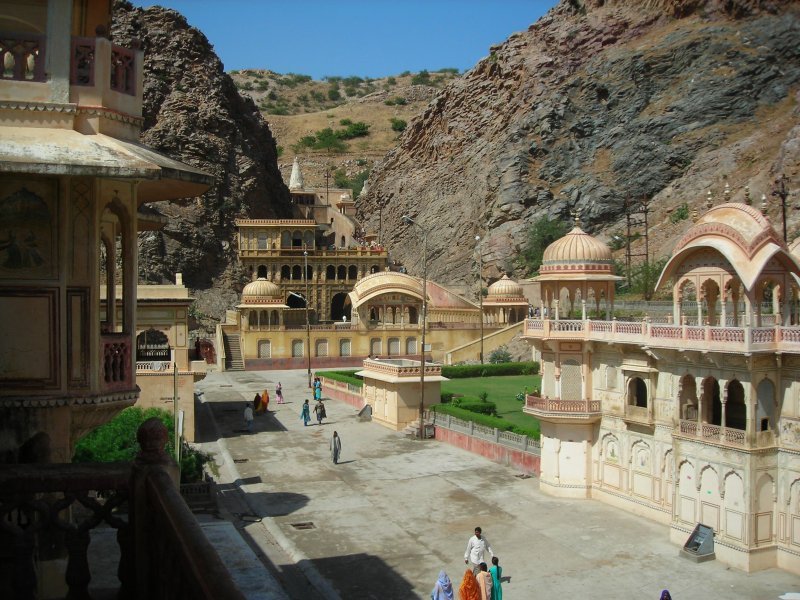
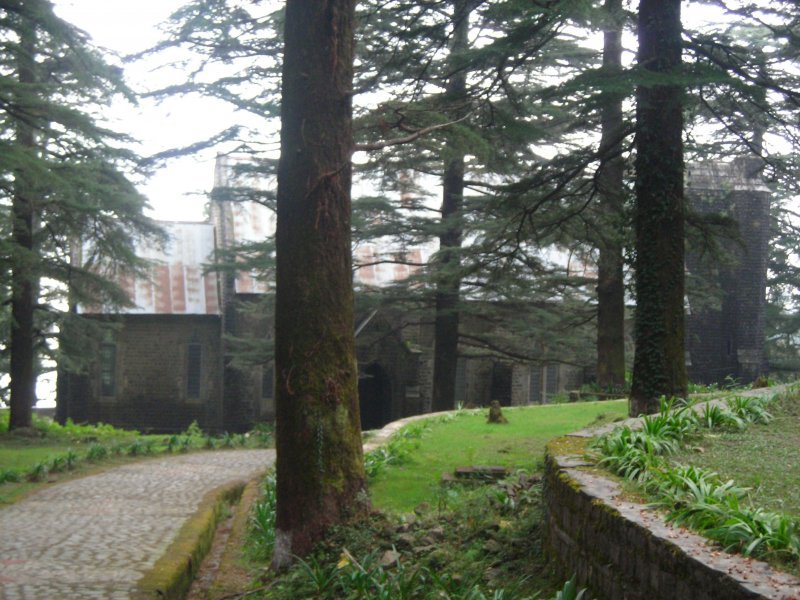
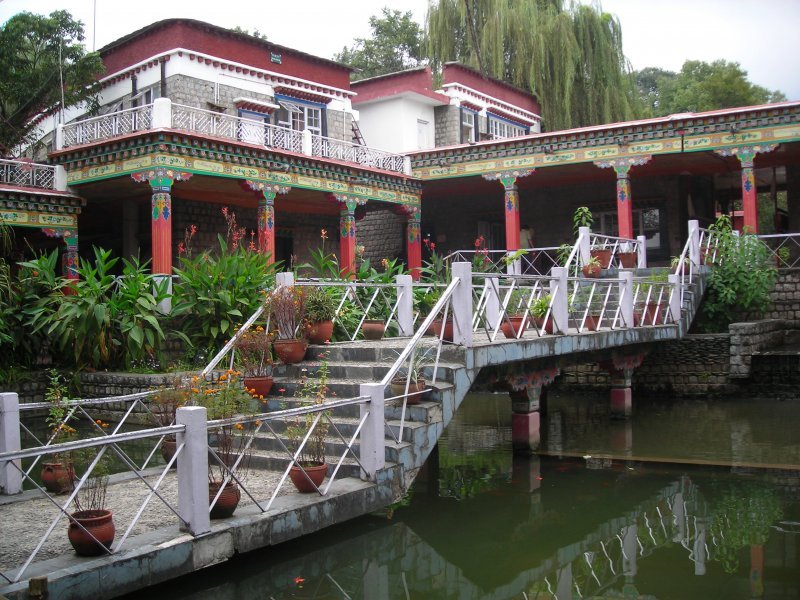
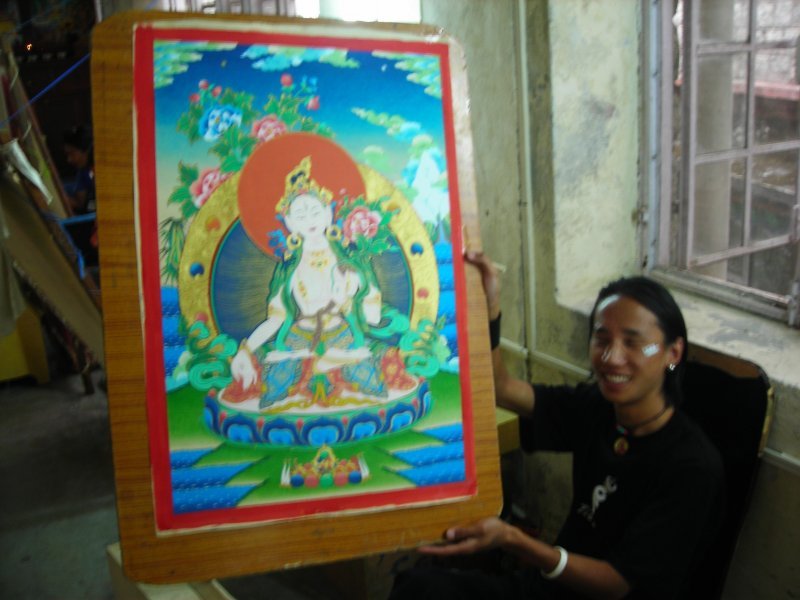
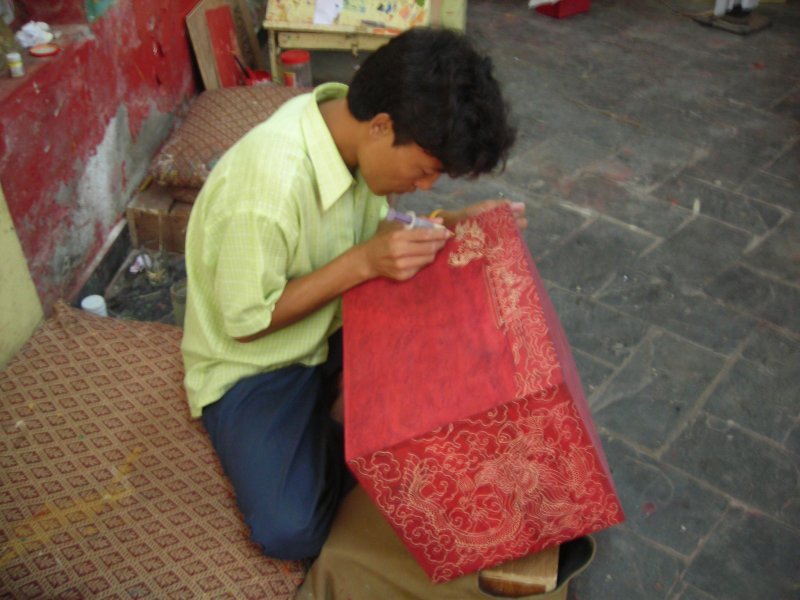
This morning Rakesh and I came to Dharamsala/McLeod Ganj. It is home to the Dalai Lama and his government in exile. Normally people say he lives in Dharamsala, but he really lives about 8 km up the road, here in McCloud Ganj. Despite the toursit scene, this feels like a special place. Beneath the superficial, this is the center of Tibetan Buddhism. The feeling of spirituality pervades the place. when I digst it a little more, I’ll wite about it.

Be well, all of you.

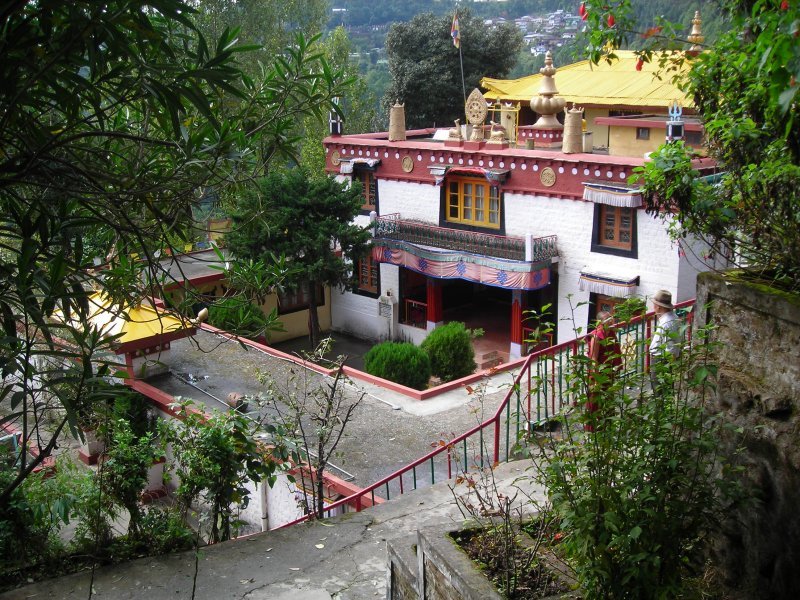
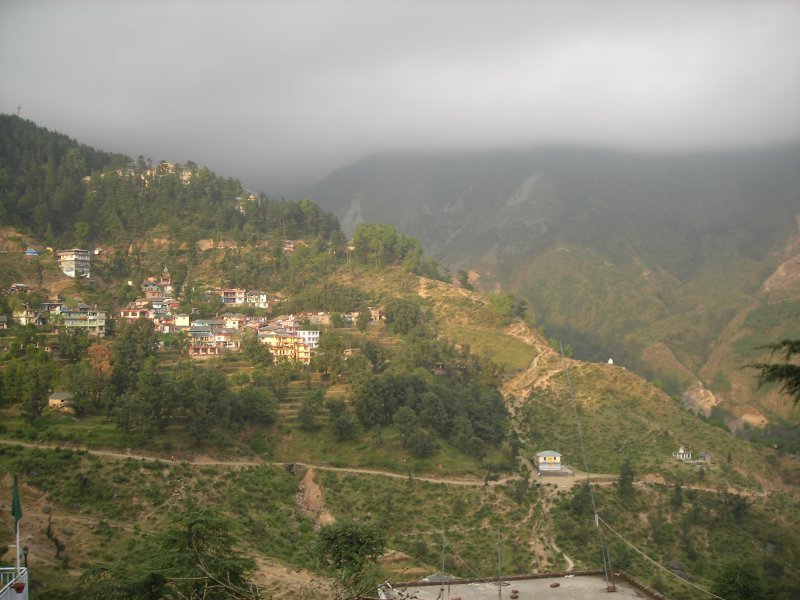
DSCN0354_1.JPG

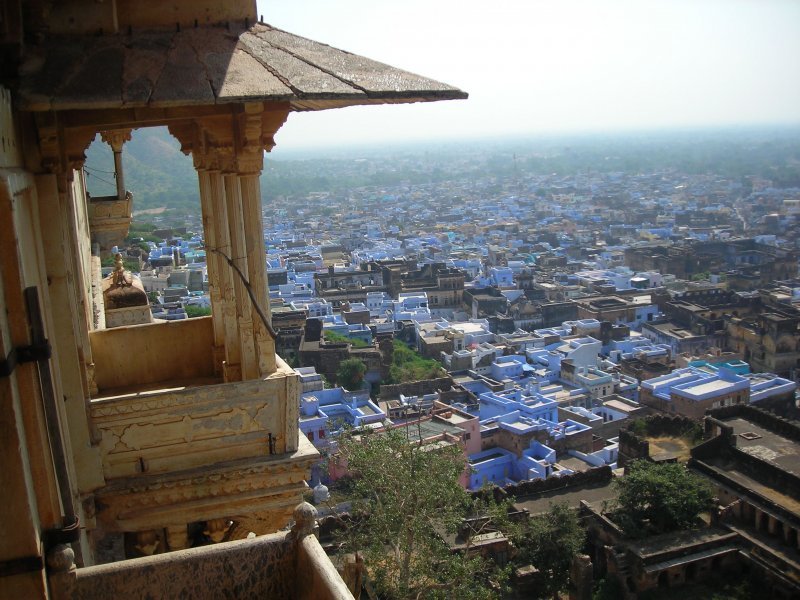
This is the view from the balcony of my room. It’s relly thinking about precipitating. If it gets much colder, it’ll be snow.

Posted in Travel | Leave a comment

Kashmir, Srinigar

   Though techically Ladakh is in Kashmir, they are so different they might as well be different states, if not different countries. Ah, and therein lie all the troubles. A few years ago, the people of Jammu and Kashmir voted to divide into three regions, two of which Moslem Kashmir and Buddhist Ladakh, would become semi-autonomous. Hindu Jammu would probably retain close ties to Delhi. Ladakh was given a lot of autonomy, but the rest of the plan was nixed by the central government. So here they are here in Kashmir, feeling independent, and India maintianing an impressive military presence just in case Pakistan gets any ideas. Once ina while they exchange artillary fire, but the last time was seven years ago. And there are sporadic bombings, but that’s been over a year. Fortunately, the party that wants to join Pakistan gets almost no votes.

   Because of all this, the US, UK and Australia recommend it’s citizens don’t vist Kashmir. Lonely Planet suggests you don’t go west of Srinigar. I think it’s not that bad. As always it’s wise to ask around and get “protection” in the company of locals. This is what I did.

   Sringar itself is the principle city of Jammu and Kashmir. It is decidedly Moslem, especially now during Ramadan, or Ramzen as they call it here. It’s quiet during the day because of the holy month. Tourism is at a trickle now. The main season is over. Tourism is only just coming back anyway after the political troubles of a few years ago and animosity toward the West over Iraq, Lebanon, etc., basically the same old stuff just more acute these days. The main attactions are it’s marvelous gardens and the lakes that dominate the city. That can all be enjoyed in about a day.

    For the last three days I’ve been on a shikara trek, that is, I was taken through the marshes and coursing waterways west of Srinigar in a small covered boat. My hotel guy araanged it with a shikara owner and a worker. They did the work. I just drifted along. For safety, I pretended to be English. It was a great three days. Sometimes I luck out and do something even better than I had hoped for. It is so lovely out there. The lakes of Srinigar are separated from the marshland by a lock. Getting through there was a project, as they are rarely opened. Farooq, my hotel guy/guide/protector/babysitter, had to give a lot of backsheesh to get through there, including hiring about 15 guys each time to manually open the doors. Anyway, once past there, it was like another world of village life on the water. There, the communities travel about on flat bottomed shikaras of various sizes, though there are roads as well. There is electricity in places and people with generators, but it doesn’t look like life has changed in quite a while. There’s am amazing array of waterfowl and other birds. There are small eagles, like golden eagles, by the HUNDREDS, and countless hawks, owls, egrets, herons, and everything else. I’ve never seen so many kingfishers either, not even in Borneo. It’s all very bucolic. NEar to Srinigar is farming, mostly rice and lotus. Then it becomes wilder, with agriculture mostly of the mom and pop variety. The rivers and ponds are the centers of life.

   I know it sounds like a cliche, but the people here are really nice. If they ever were jaded, I think the dearth tourists has made them gracious again. Too many tourists creates hard-cases. There’s just not much of that here. I hope it stays that way in the rest o India, though I think when the cool tourist months of December to March come, I’ll be in the rat race again.

   I rested up today. Three days in a little boat gave me a stiff back. Tomorrow we are going to Amristar. Here are some pictures. I hope it doesn’t make the previous pictures turn to x’s.

DSCN0242_1.JPG

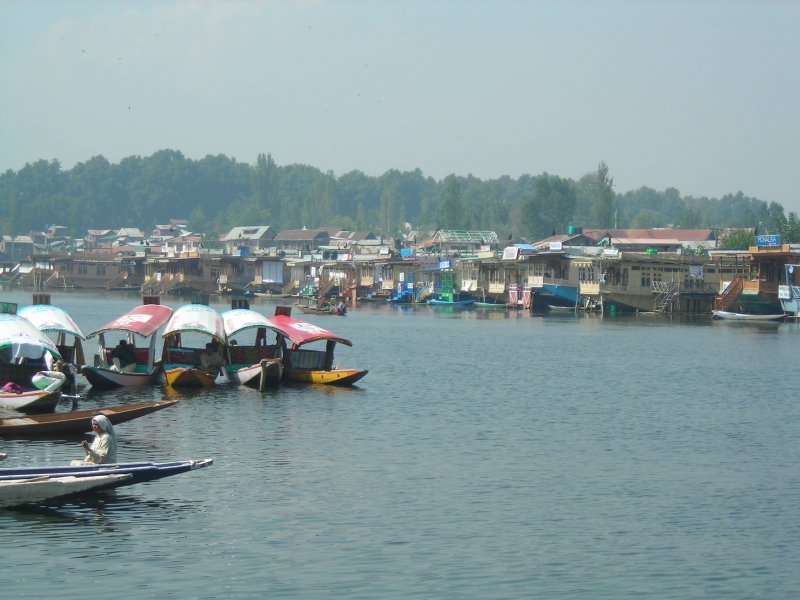
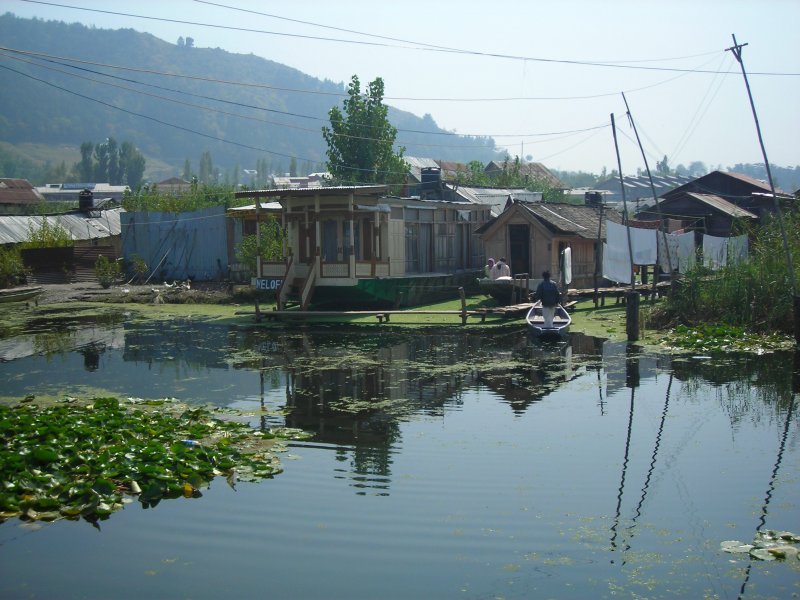
This is the view from Main Street in Srinigar of the first, biggest group of boathouses, where most tourists stay.DSCN0245_1.JPG

View from the deck of the two room boathouse I stayed in in Srinigar.

RSCN0254_1.JPG

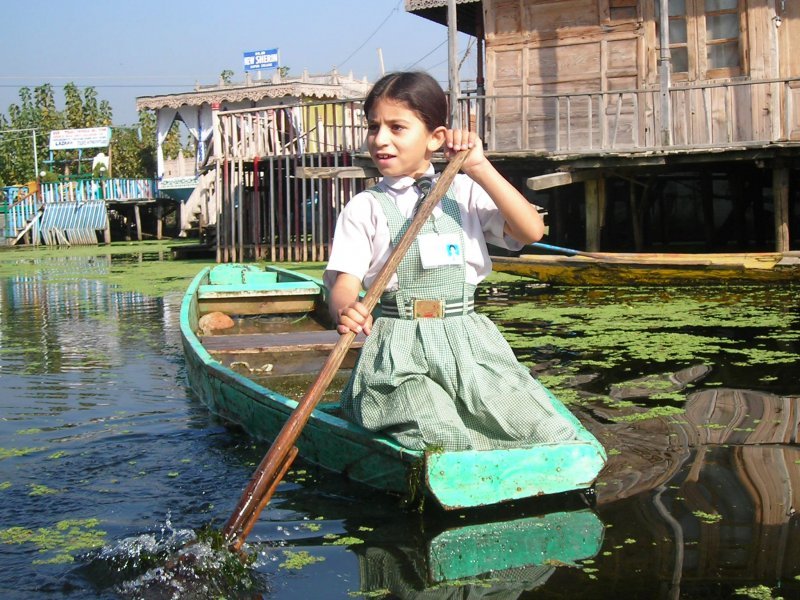
The houseboat man’s daughter paddling herself to school. Check out the uniform.

RSCN0252.JPG

The western suburbs of Srinigar.

DSCN0296_1.JPG

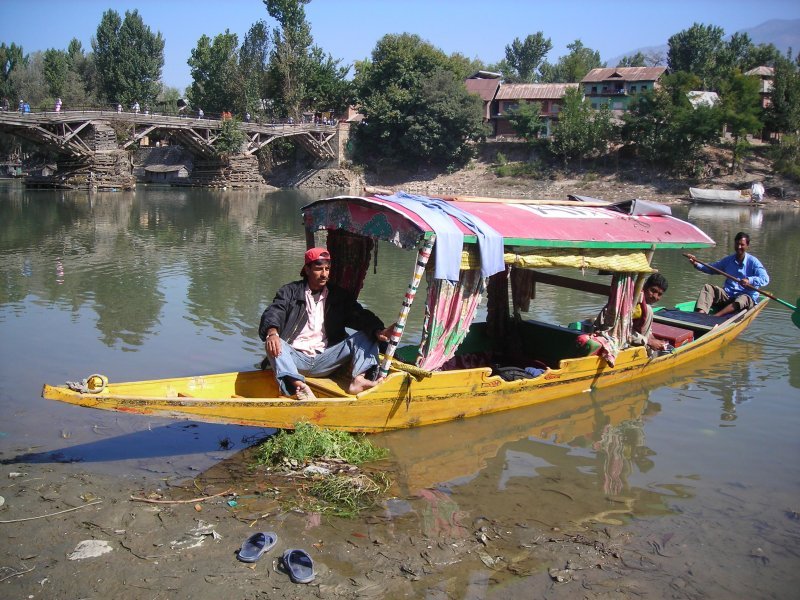
The four of us lived on this shikara for three days. They did all the work. The only hard part was sleeping with Farooq’s feet in my face.

DSCN0273_1.JPG

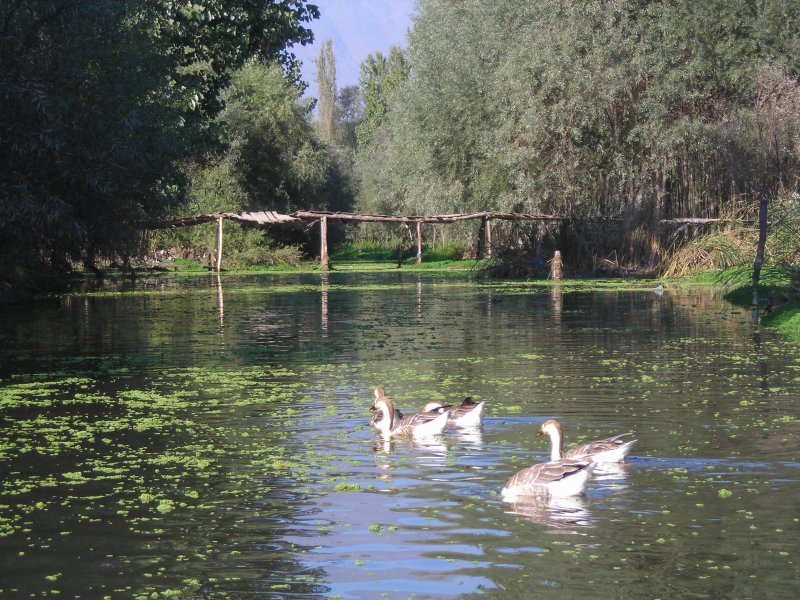
Along the way. I’m telling you, this is a nice ride.

RSCN0306_1.JPG

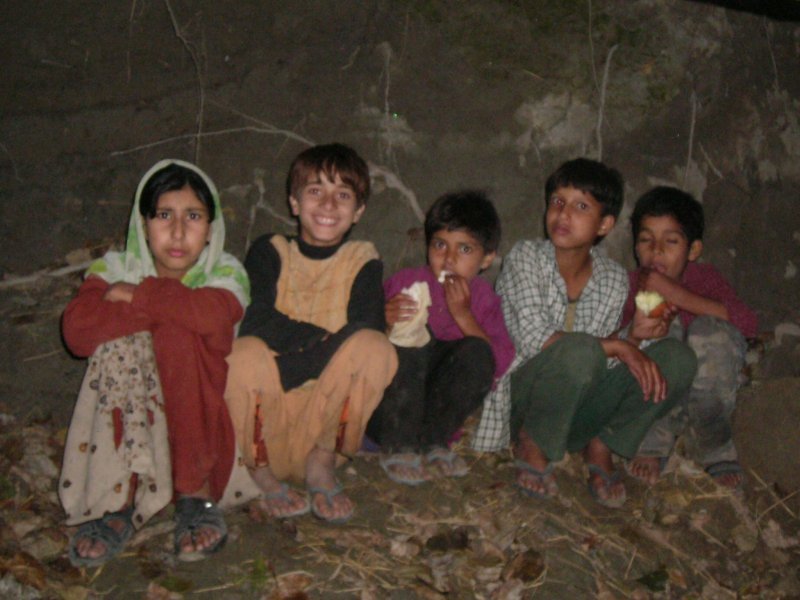
I guess I had the camera set wrong, so this is a little out of focus, but these kids were really cute, as were all the others who would come sit on the bank and look at us whenever we stopped..

Posted in Travel | Leave a comment

Thank you

Thank you’s to all of you who gave me feedback about the pictures that had turned to “x’s”. My friend, Renato, who helped set this page up for me noticed it too and is helping me fix the problem. Hopefully, if pictures get “x’d” again, I/we can replace them. Hopefully, it won’t happen again. I’m crossing my fingers. It’s about all I’m competent to do.

Posted in Travel | Leave a comment

Just checking

I notice when I bring up my site, some of my pictures from back in Himachal Pradesh are just “x”‘s in the upper left corner. Are all my pictures showing up? They used to be there.

Posted in Travel | Leave a comment

Into Srinigar, Kashmir

It’s a two day drive from Leh to Srinigar. After stopping for the night in Kargil, we left at 4 AM for Srinigar because the one lane road through the pass is open in each direction every other day, and we had to be going our way at a certain point by 7:30. We stopped in a town just before the road dropped down into Kashmir proper for breakfast. I was checking out the places in this Shiite town and settled on one with a poster of Iran’s ayatollah in the window. I figured this is the main road and they see all kinds of tourists, and I felt like doing my we’re-not-all-like-George-Bush thing. That worked out fine, as it always does. What I’m getting at is the inside of this restaurant had another big poster of the ayatollah, this time with a broad border advertising Kit Kat chocolate bars, like the calendar beside it with a movie star surrounded by an Ultra-Brite border. Nestle’ knows what they are doing. It seems like every time I learn something about the world, the world seems wierder and wierder. The other interesting thing was the political map of India with Jammu and Kashmir in Pakistan.

I’m staying in a houseboat on Dal Lake in Srinigar, and the boat guy is waiting for me. Tomorrow I’m starting out on a three day shakira (like a gondola) “trek” around the lakes, sloughs and rivers that typify the landscape around here. I’ll write again when I get back. Bye for now.

Posted in Travel | Leave a comment

Pictures from Ladakh (Out of sequence due to technical difficulties)

Sitting with the monks at the Tiksay monastery was great, though much different than I expected. The only Tibetan Buddhist service I’d ever been to was in San Francisco. It was all business. Everybody was reverent. This morning I had a hard time telling when it began. Many of the young monks and novices were horsing around and talking when the drums, horns, cymbals, bells and chanting started. And it kept on while the prayers were being offered. I’d say there were about 50 men and boys in robes, and about a third looked like they couldn’t care less. That said, with permission, I took a picture, recorded some chanting and music, and settled in. I must admit, I’m used to sitting on a pillow, and after an hour of sitting on a rug, I bailed and fixed my legs the rest of the way. Despite my wondering what the monks were doing being monks like THAT, it was an experience I have been looking forward to having someday for a long time.

I learned that in Leh, not all high speed connections are created equal. This place has satellite, so I was able to write yesterday and will try to post some pictures. Let’s see how it goes.

DSCN0175.JPG

This is a beautiful headwater of a river I don’t know the name of which drains into the Indus. The mighty Indus is about as big as a fork of the American River when it flows through Leh.

DSCN0172_1.JPG

Here is the freezing cold tent camp in Sarchu we spent the night in on the two day drive from Manal to Leh.

DSCN0189_1.JPG

If you’re wondering what it looks like at the top of the highest pass at about 18,000 ft, here it is. See those mountains in the distance. Leh is in a valley between here and there. “There” is the ridge that generally marks the Chinese border.

DSCN0200_1.JPG

Leh, capital of Ladakh, from the roof of the 17th century Leh Palace.

DSCN0203_1.JPG

The crumbling Leh Palace. It’s being restored, with the helpof the British. The Brits, Indians, and Ladakhis all want it done a different way. I think they ought to do it the Brits’ way, which is not to repaint over the old frescoes. The Ladakhis want it repainted the same, but covering the original, so it will look brand new. The Indians want whatever is cheap. Or so that’s what I was told.

DSCN0236_1.JPG

Morning prayers at the Tiksay monastery. I’m sorry about the blur. I had to take it in existing light.

DSCN0239_1.JPG

Monastery in Tiksay, about 20 km east of Leh.

DSCN0237_1.JPG

A few of the buildings, like the prayer hall and probably the senior monksquarters, are in good repair. Most of thebuildings are like this. These are monk’s quarters.

DSCN0227_1.JPG

Posted in Travel | Leave a comment

Ladakh, India

There’s a book called “A Cave in the Snow” by Vicki Macenzie.   She a woman who meditated for 12 years in a cave above Manali at 13,200 feet, near Keylong. It’s quite a story. I thought of her as I passed Keylong on the way to Kinnaur. Only after spending a night in a tent with 5 blankets in sub-freezing temperatures on the way to Ladakh did I start thinking about her more. Then when I was visiting a monastery in Hemas, above which are many caves where people have been mediating for years, did I come to appreciate her story more than ever. Here I am with all my coats and socks, trying to keep warm after the sun goes down, able to eat and drink warm food and shower with semi-warm water. What a magnificent person she must be.

The elevation of Leh is about that of her cave, maybe a little less, as trees grow. I don’t remember what it says in Lonely Planet. The winter is closing in fast. The roads will close to almost all vehicle traffic in the next 3 weeks. Where the creeks and run-off runs cross exposed areas is frozen in the morning. Soon it will freeze hard, and when the snow falls, people will hunker down for the winter. Right now it’s nice during the day. It’s after the “season”, so the tourist trade in Ladakh is closing down rapidly. There’s a Tibetan Buddhist festival which ends Sept 15, and after that the tourists  leave in droves. This leaves the place to the few that are here now and the locals. Even most of the Kashmiri’s leave for the warmer climes of Srinigar and other lower elevations areas of Kashmir.

The drive here was spectacular. The route goes basically east from Manali up into the mountains, over 16,000 ft pass, then down to about 14,000 feet. I was mistaken in my last blog entry. It isn’t 200 km to Leh from Manali. It’s 200 km to this valley floor, then over two more passes and 200 km more to Leh. So, given the poor roads, that’s as far as you can go in a day. It’s there. in Sarchu, where there are tents to sleep in overnight. There are a couple of tent dhaba’s, places with hot food serves, and nothing else. That was one long night. It’s worth it though. The visuals are spectacular. The upper part of Himachal Pradesh and into Ladakh is a moonscape with surrounding snow capped peaks.  Search it on the net for pictures. I’ll publish some once I get to a place with fast enough internet connection to do that.  I got here after the festival. The good news is it’s not crowded with foreigners. The bad is that some of the well known monasteries are not practicing monasteries anymore. They are more like museums with a few monks around. I went to Hemas yesterday with a couple of Australian women I kind of hooked up with here. Everything except the main chaple was closed up. i wanted to see it’s famous wall sized tangkas, but they are in the closed prayer hall. Also closed was a monastery built into a cave. Oh well. The monks have moved to the monasteries, called gompas here, in Leh, to Tiksay and Shey near here, and as far as Mysore, in south India near Bangalore. Tomorrow I going to take a taxi to Tiksay to sit with the monks chanting prayers, called puja, at 6:30. I’m so humbled I don’t know how to get through this. I’m told it will be alright, just sit in the back and they’ll be fine. I’m sure they will, but will I? It’s another practice opportunity, I keep telling myself. That will last about an hour. Then I’ll go to Shey, between Leh and Tiksay, where there is another practicing monastery, and try to behave myself. I should be back here by about 10.

The people here are quite different from the people of western Kashmir. They are Tibetan, for one thing, as this is a southwestern part of the Tibetan plateau within India. Secondly, they are Buddhist. Buddhists only comprise about 1% of the Indian popuation. That said, there are western Kashmiri’s here. In fact, evening prayers are being called from the mosque as i write. They dress distinctly, speak Ladakhi, and are generally much friendlier and live more slowly. Ties are changing though. Most in Leh dress like westerners. This is happening quickly in India in general. They are acquiring city habits. The people in the countryside often have electricity in their stone houses or yourts. Even the yurt roofs are often now army surplus parachutes. Some don’t like the change, but change happens. It’s the way of the world.

This internet place is closing down, so I’ll have to see if I get lucky tomorrow and can bring up my site. The connections are so slow I couldn’t do it at all yesterday. Until then, or whenever….

Posted in Travel | Leave a comment

Going to Leh tomorrow

Leh is the principle city in Ladakh, which is a little southwestern corner of the Tibetan plateau in Kashmir. It’s only a couple hundred kilometers, but takes two days to get there. I don’t know about internet connections there. Lonely Planet says there’s unreliable dial-up for a price. Sounds like it won’t be able to handle my site in anything less than a kalpa. I will write if and when I can, though. It could be a week or more again. So, until whenever, my best to all of you.

Posted in Travel | Leave a comment

People and scenery in the Kinnaur and Sangla Valleys

I’ve been asked about the people I’ve seen and encountered. That’s such a big task, our cultures are so different. The cultures within the Indian culture are so different. People I’ve met… Well, let me start with my driver, Rakesh.RSCN0142_1.JPG

That’s Rakesh on the right. On the left is Podamsa, a Nepali who ran the guesthouse in Ratcham in the Sangla Valley. Rakesh was supplied to my by the government tourism office. He takes people on these long drives in his company’s taxi, mostly to this region and to Rajastan. He seems to be a real nice guy, though our cultures are so different, it’s hard to tell for sure. He sure has a lot of friends. I’m guessing that’s because he’s always going to these places and taking us to his prefered guesthouses, and then he’s left alone to socialize with whomever he’s gotten to know over the ten years he’s been doing this. He’s friendly, though his behavior toward me is so deferential it’s hard to say what our “relationship” is. It would be easier if he spoke more that a little bit of English. Anyway, I know he’s unmarried, lives in Delhi when he’s not working, has a degree in zoology but the money’s a lot better in driving, has incredible and daring driving skills, and always is eager to help, and has a kind look in his eye. He tries to be something of a tour guide. I guess most tourists want to see the temples, so he wants to take me to those. He always prays at the Hindu temples for a couple of minutes. He waits outside the Buddhist and Sikh temples. I’m almost temples out already, myself, except for the Buddhist ones. I’m good for a few monasteries in Ladakh. After that there won’t be many Buddhist sights.

Podamsa spoke much better English. What a relief. He also helped communicate some leftover thoughts Rakesh and I couldn’t pull off ourselves. He works this hotel in Sangla, then returns to Nepal with his savings to give to his parents and siblings. Apparently, after he’s run the gauntlet of border guards and police there, there’s not much left. He’s very friendly and curious. He guided us around the area at the end of the road in the Sangla Valley, past a town named Chitkul.

DSCN0134_1.JPG

As for meeting the locals, I’ve met the people Rakesh and his friends and hotel guys he’s brought around or we’ve run into. The Kinnauri who live in the Kinnaur and Sangla Valleys are interesting. I have a hard time, though, pointing a camera at anyone, so I don’t have pictures I’m sure would be entertaining. The women are particularly interesting looking, with different dress from locale to locale. Even these women above cutting ogla, a grain with red leaves, are interesting. But I just can’t go up to them and shoot. They generally look so stern anyway. Take it from me that they look half Indian and half Tibetan, which they are. The one thing they have in common is they wear these round, mostly purple felt caps. If you want to see more about them, search “Kinnaur”.

DSCN0098_1.JPG

This is a nicer Hamachal village house, with typical stone and wooden construction.

DSCN0110_1.JPG

View up the Kinnaur Valley into the high Himalayas. This picture was taken from an elevation on about 10,000 feet, near Kalpa. The highest peaks in the distance, about 40 kilometers away mark the approximate border with China, what we still call Tibet.

DSCN0115_1.JPG

This is the roadway, with many areas blasted out of granite.

DSCN0146_1.JPG

These are kids hanging out on the roof of the house next door to my guesthouse in Ratcham. Aw, I got a flower on my veranda covering one of the kid’s heads.

DSCN0096_1.JPG

People threshing wheat.

DSCN0104_1.JPG

Traffic jam near Kalpa.

Posted in Travel | Leave a comment

Kalpa, Himachal Pradesh, India

Kalpa is the time it will take to lift the veil of ignorance from the world. Once every seven years, Maya flies over the sacred mountains of the Himalaya. With each pass, her veil brushes over the mountaintops. After one kalpa, the mountains will be worn down to sea level. It has been calculated for this to take 4.18 billion years.

Kalpa is also a lovely village in the Kinnaur Valley of eastern Himachal Paradesh. It’s in the foothills of the Himalaya, at about 9500 feet. Mountain views from there are spectacular, with several peaks within not too many miles rising to about 19,000 feet. The rains of summer are nearly over, and the weather is still warm, reaching maybe 75 degrees. Flowers are in full bloom. Crops of grains and apples are being harvested. People are preparing for winter. There are even fewer tourists than during the hot months of May and June. I saw about six in the last week. It’s a simple life up there. There are no internet cafes, hence no entries into this blog or responses to your emails.

The roads, such as they are, are in poor condition, and driiving about is time consuming. When I said I’d write in (What did I say?) a couple of days, I didn’t yet appreciate the travel times involved and our staying three days in Kalpa and two in Ratcham in the Sangla Valley. Now I’m in the tourist town of Manali, way north of there, where there are loads of internet places.

I’ve been wracking my brain, trying to decide what I can say about the Kinnaur and Sangla Valleys and what we did. It’s come down to what it always comes down to. I can’t share it all, not even a significant fraction. It’ll be as many memories as I can carry around in my head. I’ll bore people with stories and descriptions till they don’t want to hear it and I feel one dimensional anyway. A few of the really vivid experiences that affect me personally will have to be listened to more often than I like. One gets driven to blab.

That said, here’s a synopsis of what’s happened. From Shimla, Rakesh and I headed into the mountains. For a while it was two lanes off and on, windy, but if it weren’t for the trucks, you could average maybe 30 miles per hour. Then it became mixed paved one lane/gravel/dirt. After Rampur, there is much less traffic. Finally you turn left off the main road, which is essentially a military road (permit required) looping close to the Chinese border and coming out and down to the north, and go a few kilometers to Kalpa. It’s all beautiful. I’ll post some pictures later tonight or tomorrow. I would have done it now, but I forgot my USB cord to connect to the computer.

  After Kalpa, we went back down the road a bit and up the Sangla Valley to the south. This, though with somewhat less spectacular views, was even prettier. Even though it is close to the Kinnaur, it gets a lot more rain. Hence it’s more green, and the colors of the crops and flowers are stunning. It’s also more walking friendly. MY trekking days are numbered, so it was wonderful to walk along the flats beside the Sangla River. Rosehips grow almost like Pyracantha. The principle crop there is a grain called ogla, and it has bright orange/red leaves. There is also mustard, to add yellow to the kaleidoscope. One can walk through this, watching the people hand cut and thrash the ogla, pick rosehips for yourself, and look up at the valley walls as they rise steeply to either side and the peaks of the high mountains about 40 kilometers east. We walked back on the high trail. It’s the same view you get from the car in many places, but walking makes it different. I saw a fox. There are black bears to, but they only come around at night, I’m told, to eat from the garbage, just like in the States.

I’ll be back later.

Posted in Travel | Leave a comment